


Modular skids: how shop fabrication cuts field schedule and risk
Field hours are the most expensive and least predictable hours on any industrial project. Weather, permits, congested work fronts and craft availability all push schedules to the right. Modular skid fabrication moves that work into our shop in Brookshire, Texas, where it can be planned, inspected and tested under controlled conditions.
What goes on a skid
A typical Silverfox skid combines structural steel built to AWS D1.1, ASME B31.3 pipe spools, pumps, exchangers or vessels, instrumentation and, when required, electrical and control panels. The unit is fully assembled, pressure-tested and pre-commissioned before it is loaded onto our own transport fleet.
Where the savings come from
- Schedule: shop and site work run in parallel instead of in sequence.
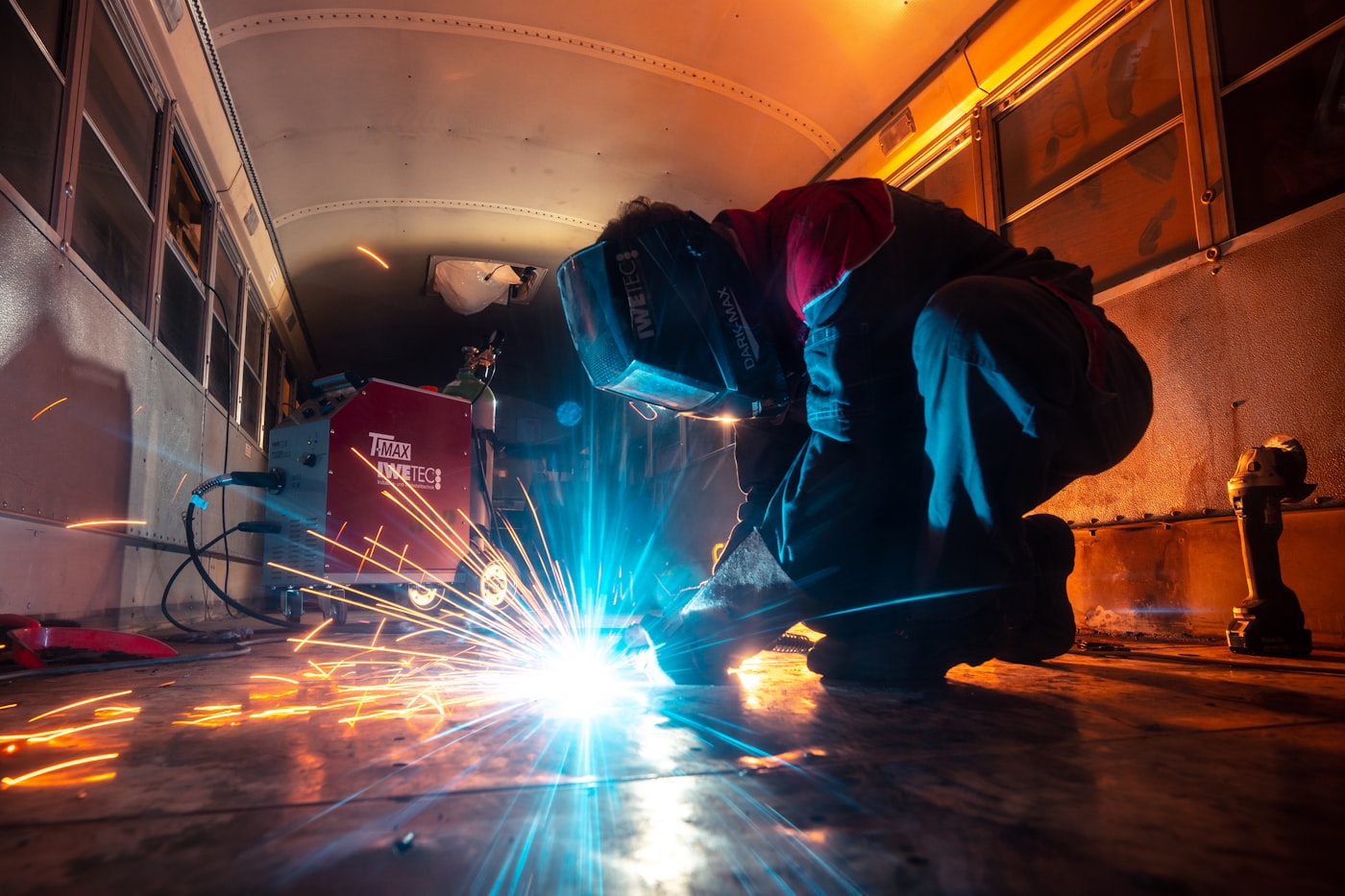
- Quality: welds are made in position, with proper fit-up, preheat and NDE access.
- Safety: fewer elevated, confined-space and hot-work hours in the field.
- Cost: shop labor rates, less rework and predictable logistics.
Designing for modularization
The biggest gains come when skid limits are set during engineering: transport envelope, lift points, tie-in locations and the split between shop and field welds. Our team works with owners and EPCs early to define those boundaries and to align the documentation package with the site’s turnover requirements.
From a single pump skid to a multi-module process unit, we deliver equipment that arrives ready to connect. See our structural and skid fabrication capabilities or talk to us about your next project.

Post a comment